How Does It Work?
Unlike radial shockwave therapy, which disperses energy more superficially, Focused Extracorporeal Shockwave Therapy (ESWT) delivers high acoustic energy with exceptional precision to a specific target within deeper tissue layers — exactly where the source of the pathology is located.
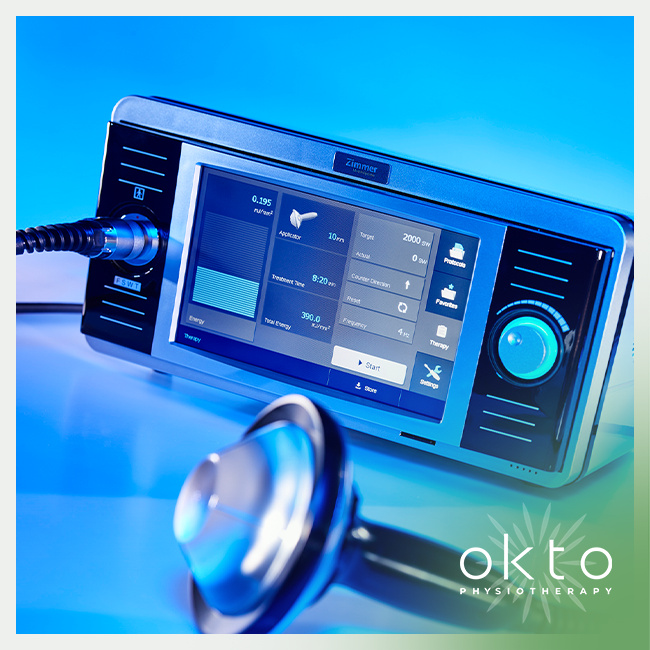
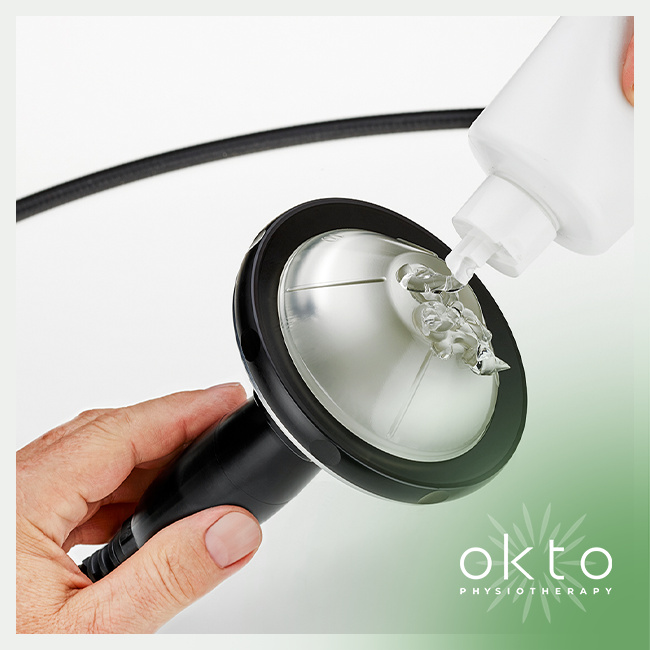
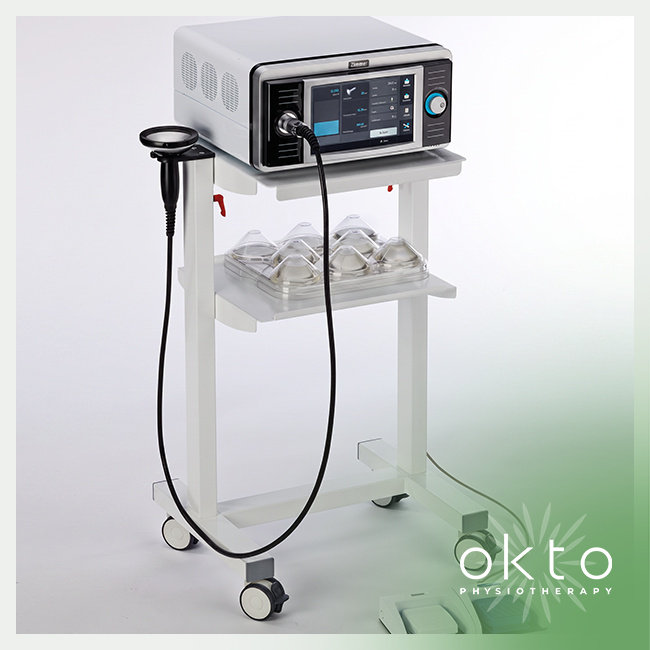
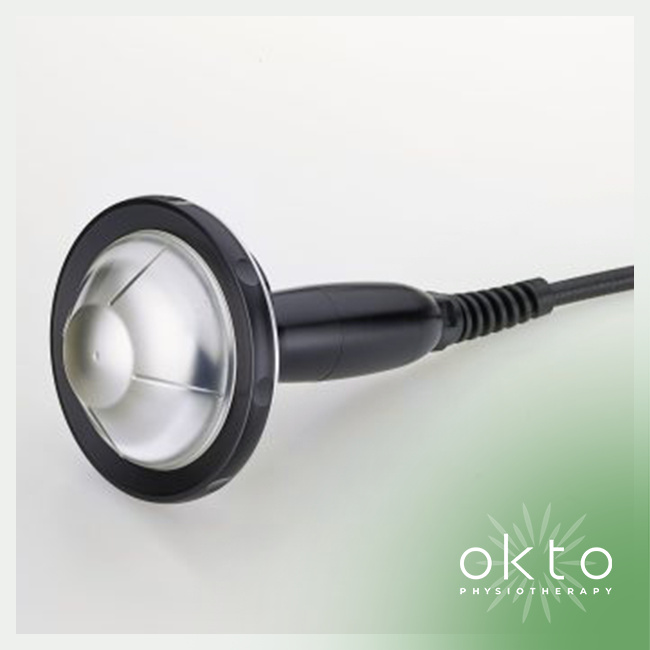
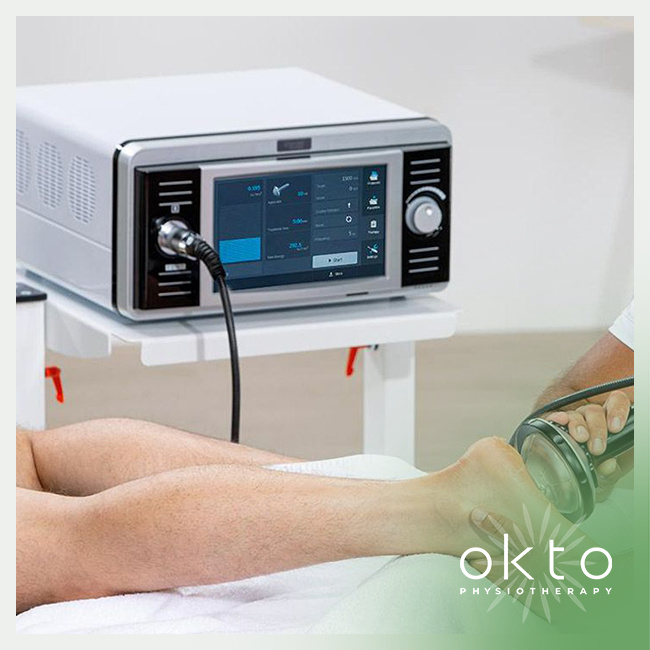
The treatment is performed using the advanced piezoelectric Zimmer enShock system. The focused acoustic waves pass through healthy superficial tissues with minimal energy loss and create controlled mechanical stimulation at the cellular level. This triggers a cascade of biological and natural regenerative processes:
- Stimulation of angiogenesis and microcirculation: Focused shockwaves promote vasodilation and stimulate the formation of new capillaries. This improves tissue perfusion, accelerates cellular metabolism and metabolic clearance, and supports the nutrition and recovery of damaged tendon, muscle, and bone tissue.
- Resorption of calcifications: Acoustic impulses help break down calcium deposits within tendons, allowing them to be gradually resorbed by the body through natural physiological processes.
- Stimulation of osteogenesis and bone regeneration: Precisely delivered energy activates osteoblasts and metabolic processes within the bone, supporting healing in cases of delayed bone union, non-union fractures, and pseudoarthrosis.
Our clinic recommends: For maximum therapeutic benefit in complex conditions, focused shockwave treatment with Zimmer enShock may be combined within the same treatment protocol with gentle radial shockwave therapy using Zimmer enPuls, which targets accompanying superficial muscle hypertonicity and tension.
Clinical Indications
Supported by an extensive body of clinical research, focused shockwave therapy is an established treatment option for a wide range of common orthopedic and trauma-related conditions:
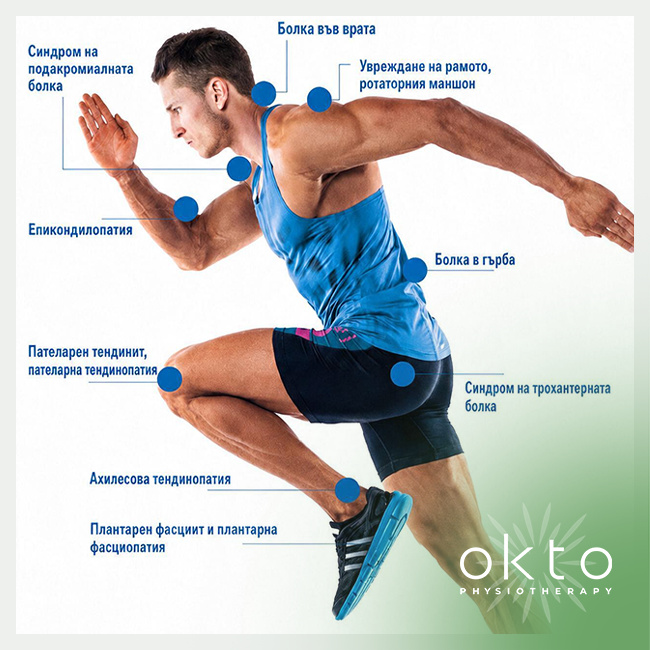
- Calcific conditions and inflammation of the shoulder region (calcific tendinitis, impingement syndrome, frozen shoulder)
- Plantar fasciitis and heel spur (acute and chronic enthesopathy)
- Lateral and medial epicondylitis (“tennis elbow” and “golfer’s elbow”)
- Tendinopathies and enthesopathies (patellar tendinopathy / “jumper’s knee,” Achilles tendinopathy and chronic Achilles tendon disorders)
- Impaired bone healing (delayed union, pseudoarthrosis, and difficult-to-heal fractures)
- Myofascial pain syndrome and treatment of deep pathological trigger points
- Chronic vertebrogenic pain affecting the neck, back, and lumbar region
Proven Therapeutic Benefits and Clinical Effectiveness
Clinical research and orthopedic practice support the rapid and long-lasting therapeutic effects of focused shockwave therapy:
- Rapid analgesic effect: Clinically documented long-term pain relief, which may begin during the treatment itself or after the first 1–2 therapeutic sessions.
- Powerful anti-inflammatory response: Helps reduce local inflammatory processes associated with degenerative and acute musculoskeletal conditions.
- Deep precision without tissue trauma: Targeted treatment of subcutaneous and deep anatomical structures without damaging surrounding healthy tissues.
- Non-invasive outpatient treatment: A highly effective non-surgical treatment option performed entirely on an outpatient basis, without the need for anesthesia or hospitalization.
- Minimal downtime: The procedure does not require special preparation or post-procedural care. In most cases, patients can continue with their usual daily activities after treatment, subject to the treating specialist’s recommendations.
- Enhanced comfort through innovative technology: Low operating noise and precise energy delivery made possible by the piezoelectric technology of the Zimmer enShock system.
Additional Information About the Procedure
- Session duration: One treatment session typically lasts between 10 and 15 minutes, depending on the clinical protocol and the anatomical area being treated.
- Recommended treatment course: A standard course usually consists of 3 to 6 sessions, performed at intervals of approximately 5 to 7 days.
- Sensation during treatment: The procedure is generally well tolerated. Patients feel deep, rhythmic acoustic pulses in the treated area. The energy intensity is precisely adjusted according to the individual patient’s sensitivity and therapeutic needs.
- Safety: The method does not rely on medication, pharmacological substances, or ionizing radiation. Instead, it uses focused acoustic energy to stimulate the body’s natural regenerative processes.